In the fast-moving world of geospatial surveying, getting accurate and reliable measurements really matters. Picking the right GNSS DGPS survey tool isn’t just a good idea—it’s absolutely essential if you want your land projects to succeed. Lately, I’ve seen reports from the Geomatics Association mentioning that the global market for these survey instruments is set to grow a lot. That’s mainly because more industries—like construction, farming, and environmental work—are demanding super Precise Positioning. Basically, investing in top-notch equipment that's tailored to a professional’s needs is more important than ever.
Dr. James McKinley, a well-known expert in GNSS tech, puts it pretty plainly: “The success of your project really depends on how accurate and effective your GNSS DGPS instrument is. Picking the right one isn’t just a choice; it’s a must.” Here at Shanghai Apekstool (APEKS), we totally get how tricky it can be to pick the perfect GNSS DGPS survey device. That’s why we’re all about offering innovative geospatial tools and mapping solutions—everything from high-tech GNSS/GPS systems to total stations, plus custom options to boost the precision of land surveys.
We’re big on quality and reliability, aiming to give professionals the gear they need to do their best. As we dig into what makes a GNSS DGPS instrument really stand out, it’s clear: making informed decisions leads to better results in the challenging world of geospatial surveying. When you choose wisely, you set yourself up for success!
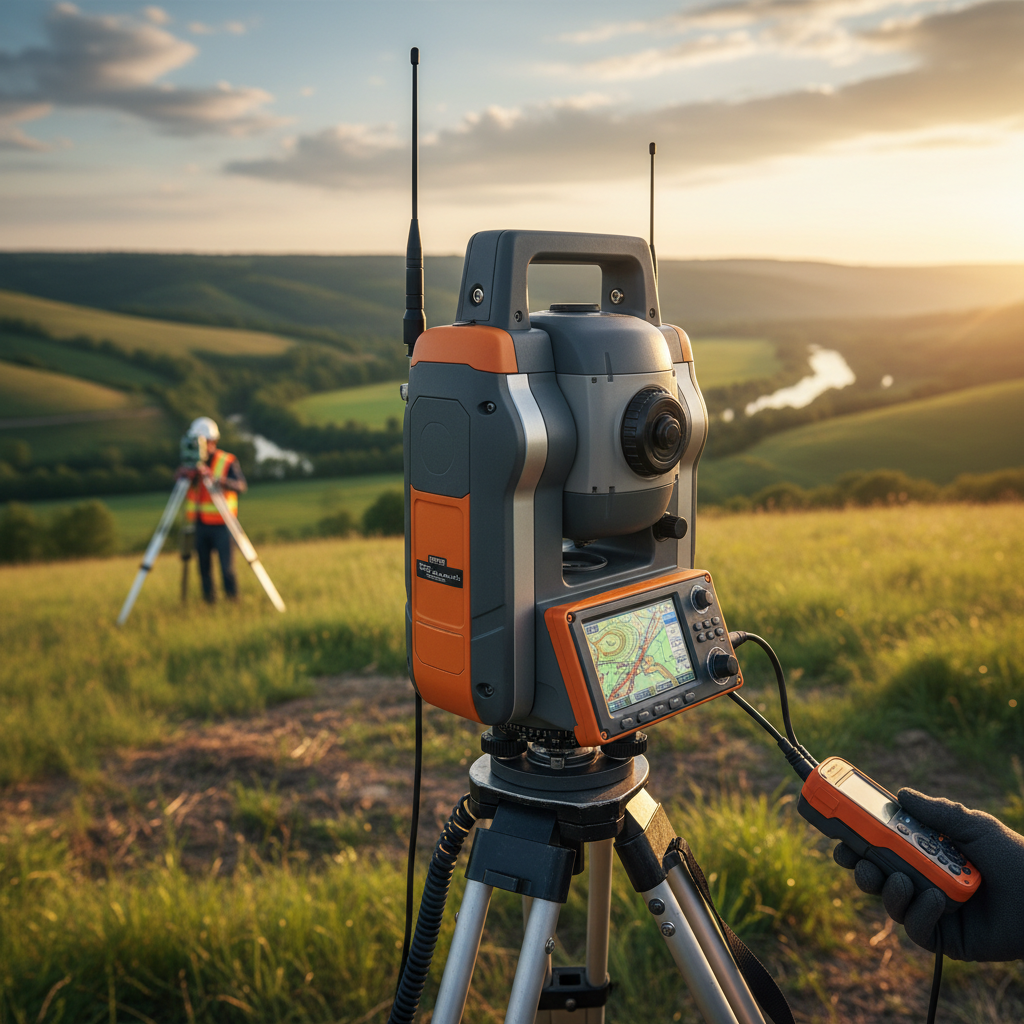
Understanding GNSS and DGPS: Key Principles for Effective Land Surveying
Understanding GNSS (Global Navigation Satellite System) and DGPS (Differential Global Positioning System) is crucial for effective land surveying. GNSS utilizes a network of satellites to provide location data anywhere on Earth. This system enables surveyors to determine precise coordinates and elevational data with high accuracy. DGPS, an enhancement of GPS, improves the accuracy of standard GNSS readings by correcting errors using ground-based reference stations that transmit real-time corrections to users.
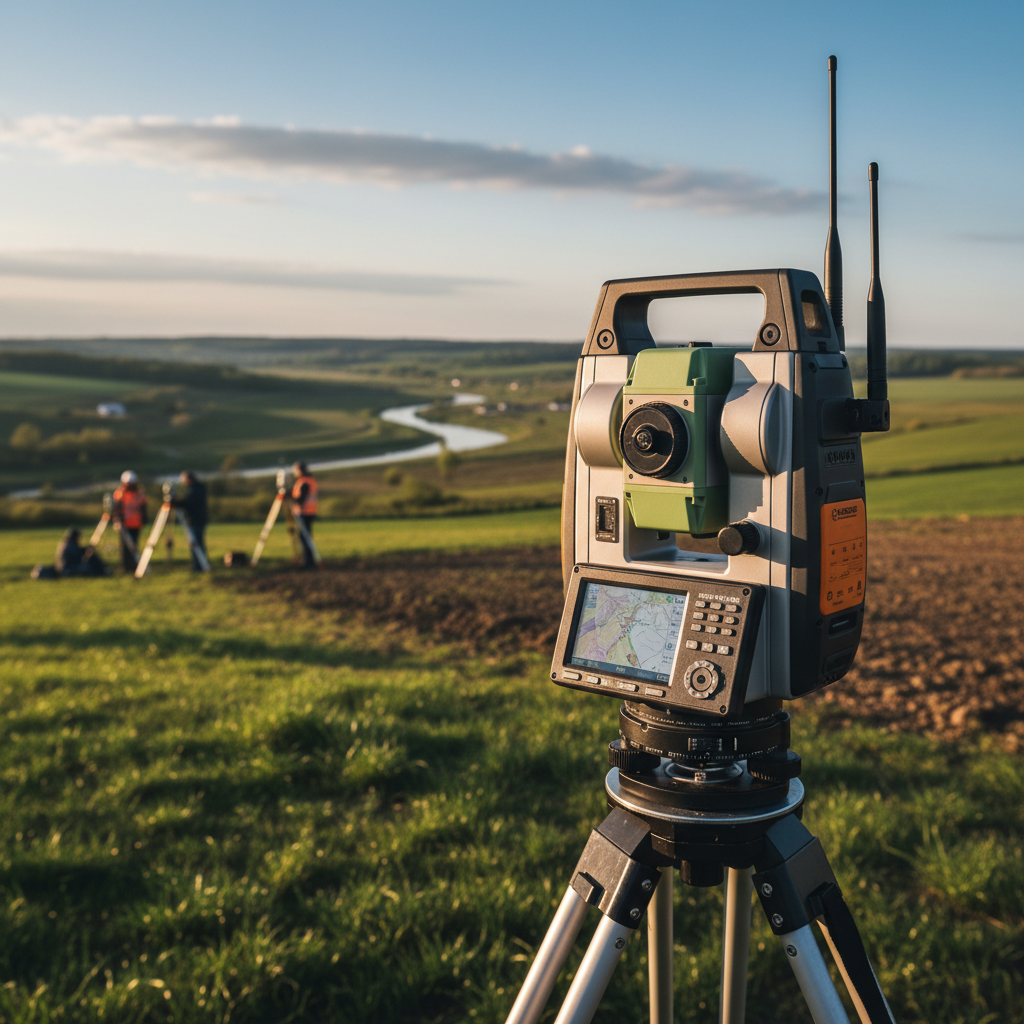
When selecting a DGPS survey instrument, there are several essential tips to consider. First, assess the accuracy requirements of your specific project. For tasks requiring high precision, look for instruments with advanced correction techniques and a robust satellite communication network. Second, consider the ease of use and the instrument’s compatibility with your existing software and hardware. A user-friendly interface can significantly enhance workflow efficiency. Finally, check for the durability of the equipment, especially if it will be exposed to harsh weather conditions or rugged terrains.
Another key aspect is the availability of technical support and updates from the manufacturer, which can be invaluable for maintaining the equipment's performance over time. Always ensure you have access to reliable customer service for troubleshooting and advice on best practices for your surveying needs.
Identifying Essential Features in GNSS DGPS Survey Instruments
When selecting a Gnss Dgps Survey Instrument for precise land surveying, identifying essential features is crucial. Recent industry reports highlight that a high accuracy level is paramount; instruments should aim for an accuracy of fewer than 5 centimeters in real-time applications. This requires choosing devices equipped with multi-constellation GNSS support, including GPS, GLONASS, Galileo, and BeiDou, which enhances satellite coverage and positioning reliability, particularly in challenging environments.
Another significant feature to consider is the instrument's post-processing capabilities. According to a 2022 market analysis, nearly 70% of surveyors prefer instruments that can seamlessly integrate with software for advanced data management and analysis. Instruments with robust user-friendly interfaces and customizable settings allow for greater efficiency in fieldwork. Additionally, durability and battery life are also critical factors, as surveyors often operate in remote or rugged conditions. Instruments with IP67 ratings or higher ensure longevity and reliability, even in adverse weather.
Comparing Accuracy Levels: Choosing the Right Instrument for Your Needs
When choosing a GNSS DGPS survey instrument for accurate land surveying, understanding the varying accuracy levels is critical to selecting the right tool for your specific needs. The market offers a wide range of instruments, each providing different precision levels based on their technology and intended application. For instance, high-end models typically use advanced algorithms and real-time corrections, making them suitable for professional surveyors requiring millimeter-level accuracy in their projects. Conversely, more budget-friendly options may suffice for less demanding tasks, albeit with reduced precision.
Organizations, including those in the UK seeking guidance on complex technological decisions, are increasingly looking for reliable instruments that meet their specific requirements. Shanghai Apekstool (APEKS) stands out as a provider of innovative geospatial surveying products, offering a selection of GNSS/GPS systems, total stations, and other surveying accessories tailored to enhance accuracy. As the landscape of surveying instruments evolves with advancements in technology, aligning the choice of instrument with the accuracy needed for a given project becomes paramount for effective and reliable land surveying outcomes.
Evaluating Budget and Cost Factors in DGPS Instrument Selection
When selecting a DGPS survey instrument for land surveying, budget and cost factors play a crucial role in the decision-making process. According to the 2022 Global Gnss Market report, the price range for accurate DGPS instruments varies significantly, from $3,000 to over $10,000 depending on features and capabilities. For professionals operating on a limited budget, understanding the functionalities that directly impact survey precision can guide their investment towards models that offer the best value for money.
Additionally, maintenance and operational costs should not be overlooked. A study published by the International Society of Photogrammetry and Remote Sensing highlighted that organizations often underestimate ongoing expenses, which can represent up to 25% of the initial investment annually. This statistic underscores the importance of evaluating not only the initial purchase price but also the long-term costs associated with equipment maintenance, software updates, and training for personnel. Balancing these factors against the required accuracy and performance will ultimately help land surveyors select a DGPS instrument that meets both their financial constraints and operational needs.
User-Friendly Interfaces: Importance of Ergonomics in Survey Instruments
In the realm of GNSS DGPS surveying, ergonomics plays a pivotal role in enhancing the user experience and overall efficiency of survey instruments. A recent report from the American Society of Civil Engineers indicates that up to 60% of surveyors have experienced strain or fatigue due to poorly designed equipment. This emphasizes the critical need for user-friendly interfaces that prioritize ergonomic design, enabling professionals to work longer hours without discomfort.
Incorporating ergonomic principles into survey instruments not only reduces physical strain but also improves accuracy in data collection. Research by the National Institute of Standards and Technology highlights that survey instruments designed with user-friendly interfaces can increase productivity by 30% by minimizing the time spent on training and operation. This is particularly significant as the industry moves toward adopting advanced technologies in land surveying. Therefore, when selecting GNSS DGPS survey instruments, ergonomics should be a key consideration, ensuring that equipment is intuitive, comfortable, and efficient for everyday use.
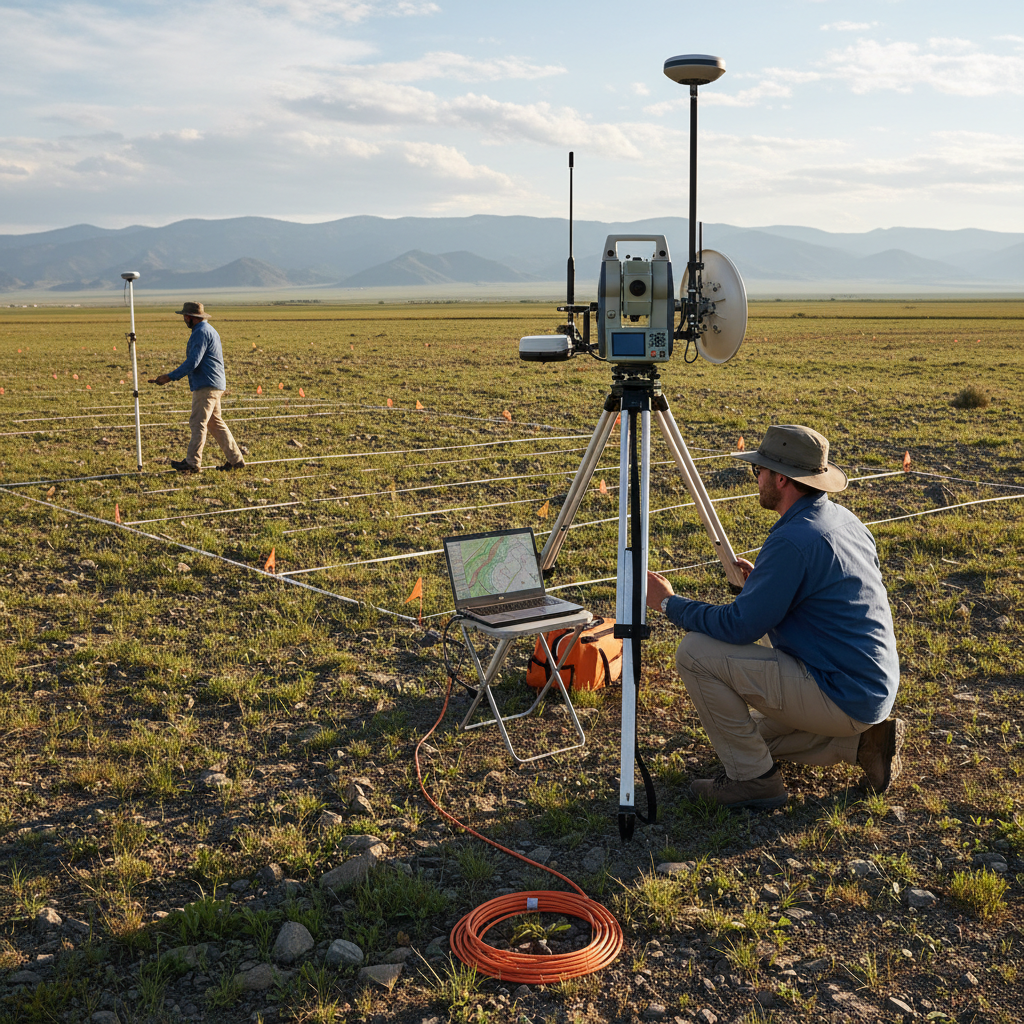
Maintenance and Support: Ensuring Longevity of Your GNSS Equipment
When investing in GNSS DGPS survey instruments, maintenance and support play a crucial role in ensuring the longevity and accuracy of your equipment. According to the 2023 Survey Equipment Report, approximately 30% of surveying instruments fail to operate optimally due to inadequate care and maintenance practices. Regular calibration and software updates not only enhance the performance of GNSS systems but also help prevent costly downtime.
To maintain your Gnss Equipment effectively, consider these tips:
1. Schedule routine inspections every six months to check for hardware wear and ensure all components are functioning correctly.
2. Keep your firmware up-to-date—manufacturers regularly release updates that include improvements and fixes.
3. Store your instruments in a protective case when not in use, as environmental factors like moisture and temperature fluctuations can severely impact performance.
Additionally, partnering with a reliable support service can extend the life of your equipment. According to industry experts, companies that utilize professional maintenance services report up to 20% longer operational life of their instruments. Regular training sessions for your team on proper usage and handling techniques also minimize risks associated with human error, directly contributing to the accuracy and reliability of land surveying outcomes.
2025 How to Choose the Best GNSS DGPS Survey Instrument for Accurate Land Surveying - Maintenance and Support: Ensuring Longevity of Your GNSS Equipment
| Instrument Type | Accuracy (cm) | Operational Range (km) | Maintenance Frequency (months) | Support Options |
| RTK GPS | 1-2 | 10-15 | 6 | Online & Phone Support |
| Static GPS | 2-5 | Unlimited | 12 | In-Person Training Available |
| Post-Processed Kinematic (PPK) | 1-3 | 5-10 | 9 | 24/7 Chat Support |
| Differential GPS (DGPS) | 2-4 | 20 | 12 | Email Support |
FAQS
: The price range for accurate DGPS instruments varies from $3,000 to over $10,000, depending on features and capabilities.
It's essential to consider ongoing maintenance and operational costs, which can represent up to 25% of the initial investment annually, affecting the total cost of ownership.
Organizations often underestimate ongoing expenses related to equipment maintenance, software updates, and personnel training.
Ergonomic design can reduce strain and fatigue, enabling surveyors to work longer hours more comfortably, which enhances overall efficiency.
Up to 60% of surveyors have reported experiencing strain or fatigue from poorly designed equipment.
Research indicates that user-friendly interfaces can increase productivity by 30%, as they reduce the time spent on training and operation.
Ergonomics is crucial to ensure that equipment is intuitive, comfortable, and efficient for everyday use, which ultimately improves accuracy in data collection.
Ergonomic design can minimize the time needed for training, allowing surveyors to become proficient with the equipment more quickly.
A user-friendly interface can lead to less physical strain, improved accuracy, and higher efficiency in survey operations.
As the industry adopts advanced technologies, ergonomic design becomes crucial to ensure the usability and effectiveness of new survey instruments.
Conclusion
In the pursuit of precise land surveying, selecting the right GNSS DGPS survey instrument is paramount. Understanding the core principles of GNSS and DGPS is essential for effective surveying. Key features such as accuracy, ease of use, and ergonomic design play a crucial role in the instrument selection process. It's also vital to compare various accuracy levels to find the instrument that best fits specific surveying needs.
Furthermore, budget considerations and ongoing maintenance support should not be overlooked, as they are critical for ensuring the longevity and reliability of your GNSS equipment. As a trusted provider based in Shanghai, Apekstool specializes in innovative geospatial surveying and mapping solutions, offering a wide range of GNSS DGPS survey instruments tailored to meet diverse requirements for accurate land surveying.